

How to move to Costa Rica without being a colonizer: 10 Tips for Avoiding Colonization, Classism, and Gentrification

Updated: Jun 15, 2024
As someone from a privileged country considering migrating to Costa Rica, it's crucial to acknowledge and separate ourselves from the colonial mentality that has been forced upon so many innocent peoples around the world. Here are ten insightful conscientious tips to help you avoid perpetuating harmful practices and tendencies of colonization, classism, and gentrification in your new home. So you can move to Costa Rica without being a colonizer.
1. Educate Yourself: Before you even begin your journey, make sure you educate yourself about Costa Rica's regions, history, culture, and social structures. This understanding will help you navigate your new environment with respect and empathy.

2. Respect Local Customs: Embrace the local customs, traditions, and ways of life. Be mindful of cultural appropriation and make an effort to learn from and engage with local communities.
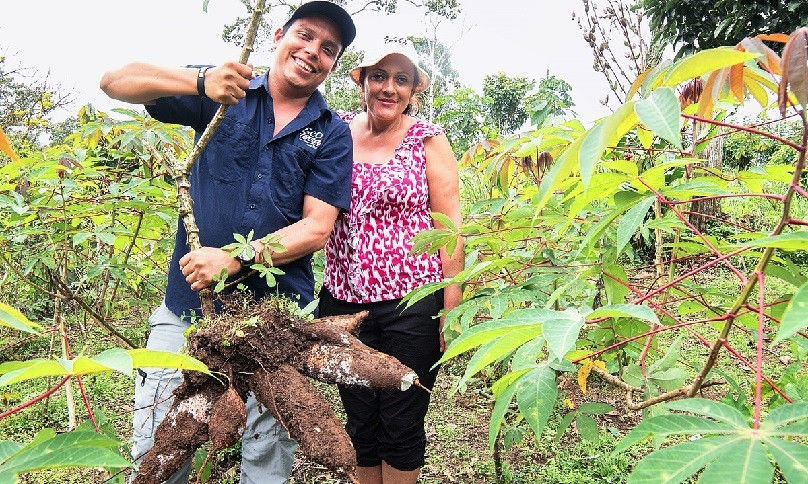
3. Support Local Businesses: Avoid contributing to the gentrification of areas by choosing to shop at locally owned businesses, markets, and farmers' markets. This not only helps support the local economy but also preserves the unique character of Costa Rican communities.
4. Language Barrier: Learn basic Spanish before you arrive. Not only is it a sign of respect, but it also helps you connect with locals and integrate more easily into their communities.

5. Volunteer: Consider volunteering your time and skills to support local initiatives and organizations. This can help you make meaningful connections with the community while contributing to its well-being.
6. Collaborate, Don't Dominate: Avoid imposing your own values, beliefs, or ways of doing things on local communities. Instead, collaborate and work alongside them, recognizing their expertise and knowledge.

7. Be Mindful of Your Environment: Costa Rica is known for its beautiful natural resources. Be a responsible steward of the environment by minimizing your environmental footprint and supporting sustainable practices.
8. Listen and Learn: Approach conversations and interactions with an open mind and a willingness to learn. Actively listen to the perspectives of local people and be prepared to challenge your own assumptions.

9. Offer Help, But Don't Impose: If you have skills or expertise that could benefit local communities, offer your help but be respectful of their autonomy. Do not impose your solutions or act as a savior.
10. Reflect and Grow: Throughout your journey, take time to reflect on your experiences and how they've impacted your perspectives. Be open to growth and self-critique, recognizing that being part of a new community comes with a responsibility to learn and adapt.

Remember, migrating to Costa Rica is an opportunity to engage with a rich and vibrant culture, but it also comes with the responsibility to respect and uplift the communities that have called this beautiful country home for generations.
By following these conscientious tips, you can help ensure that your migration contributes to a more equitable and harmonious future for all.


Comments